

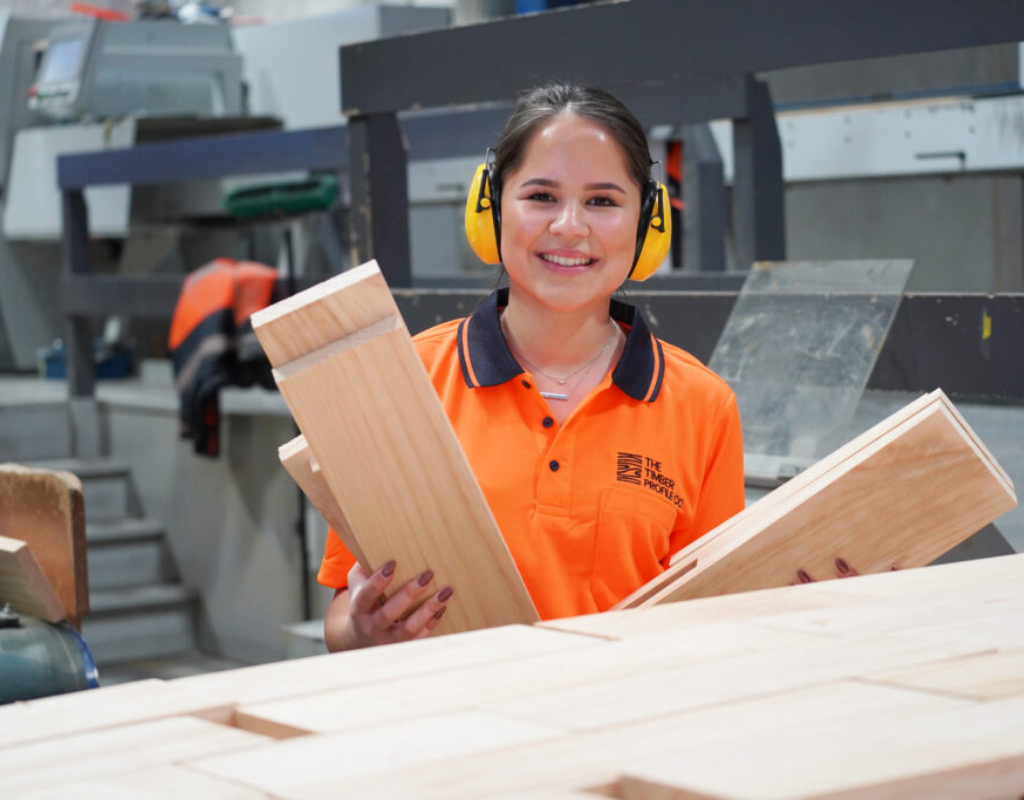
Timber profile care guidelines
Timber is a natural material that responds to its environment. Correct storage, handling, sealing and finishing will help protect your timber profiles and maintain their appearance and performance.
01
Store the timber dry
02
Store timber flat and supported
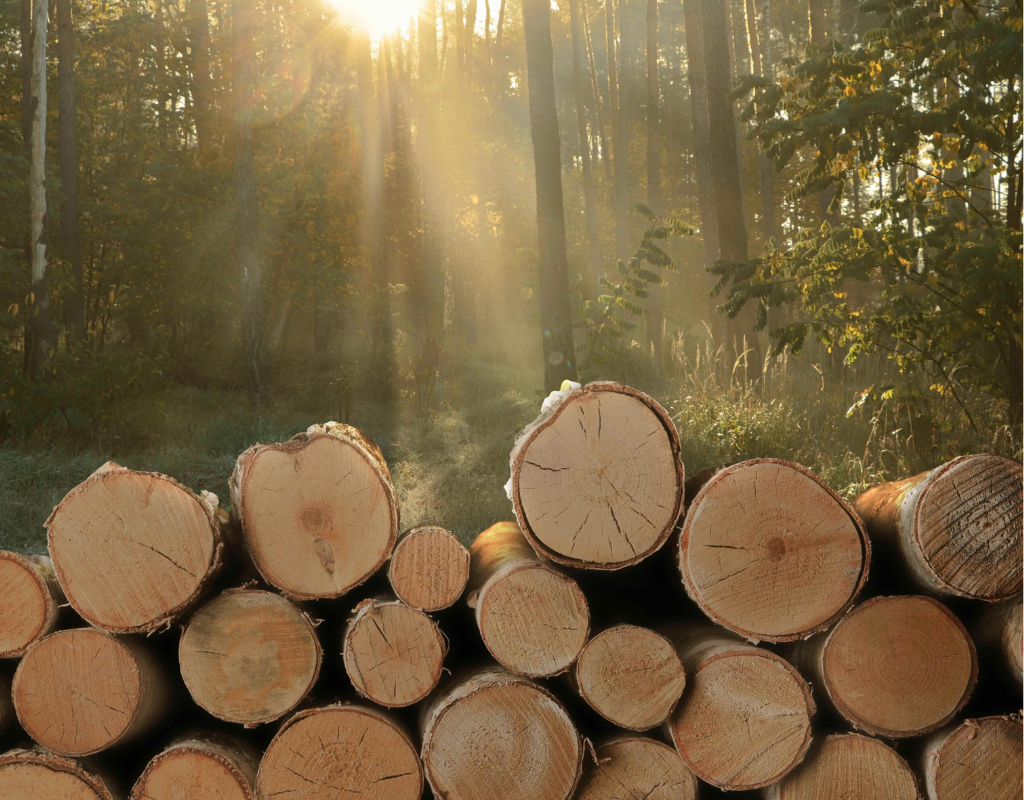
Store profiles flat, off the ground and on a level surface. Use flat or closely and evenly spaced supports along the length of the profiles to help prevent bowing or distortion. Keep timber out of direct sunlight while it is being stored.
03
Handle profiles with care
Take care when moving, unpacking and handling profiles to avoid knocks, dents and other surface damage. Particular care should be taken with detailed mouldings, exposed edges and profiles that will receive a natural or clear finish.
04
Check your timber when it arrives
Inspect your order as soon as it is received and before cutting, finishing or installation. Check that the profiles, timber, dimensions and quantities supplied are what you expected and look for any visible damage or defects. If you have any concerns about your order, contact The Timber Profile Co. before the product is installed.

Inspection Timeframe
Our Terms and Conditions of Trade require damaged, defective, short-delivered or incorrect goods to be reported within 72 hours of delivery.
05
Seal all surfaces
Timber products should be appropriately primed or sealed on all surfaces, including faces, edges and end grain, to help prolong the life of the timber. End grain requires particular attention because the exposed ends of the timber fibres can absorb moisture readily.
Make sure any newly cut or machined surfaces are also appropriately sealed.
06
Use an appropriate finishing system
Choose a paint, stain, sealer or other coating system that is appropriate for the timber species and its intended application. Follow the coating manufacturer’s preparation, application and maintenance instructions, including any requirements relating to primers, sealers and number of coats.
If you are unsure whether a particular finish is suitable for your timber profiles, check with the coating manufacturer before application.
Exterior timber and LRV
Timber exposed to sunlight can absorb considerable heat, particularly when coated in dark colours. This can increase thermal movement and contribute to warping, shrinking or cracking.
Light Reflectance Value (LRV) measures the amount of visible light reflected by a colour. A higher LRV reflects more light, while a lower LRV generally absorbs more heat.
Our Recommendation
For timber exposed to sunlight, The Timber Profile Co. recommends selecting a coating with an LRV of 40% or greater to help minimise heat build-up and resulting timber movement.
Some paint manufacturers offer darker colours formulated to achieve higher LRV ratings. Always check the LRV and suitability of your chosen finish with the coating supplier.
Timber is a natural material
Natural variation is part of the character of real timber. Grain, colour and other
characteristics can vary between species, boards and production runs. Timber can also expand and contract as environmental conditions and moisture levels change. Correct storage, sealing, finishing and installation all help manage this natural movement.
Before installation
- Check the product is suitable for its intended application.
- Inspect the profiles for any visible issues.
- Make sure timber has been stored and handled correctly.
- Ensure the appropriate surfaces, edges and end grain have been primed or sealed.
- Confirm that the selected coating or finishing system is appropriate for the timber and application.
- For exterior applications, check the LRV requirements of your chosen colour.
After installation
Continue to look after finished timber in accordance with the recommendations of your chosen coating or finishing-system manufacturer. Regularly check the condition of the finish and address maintenance requirements as they arise. Keeping the protective coating system in good condition will help protect the timber beneath it.