

Light Reflectance Value (LRV) is a measure of how much visible light a colour reflects.
LRV is commonly expressed as a percentage: lighter colours generally have a higher LRV, while darker colours generally have a lower LRV and absorb more heat. When timber is exposed to direct sunlight, heat buildup can increase thermal movement.
Over time, excessive movement can contribute to issues such as warping, shrinking or cracking
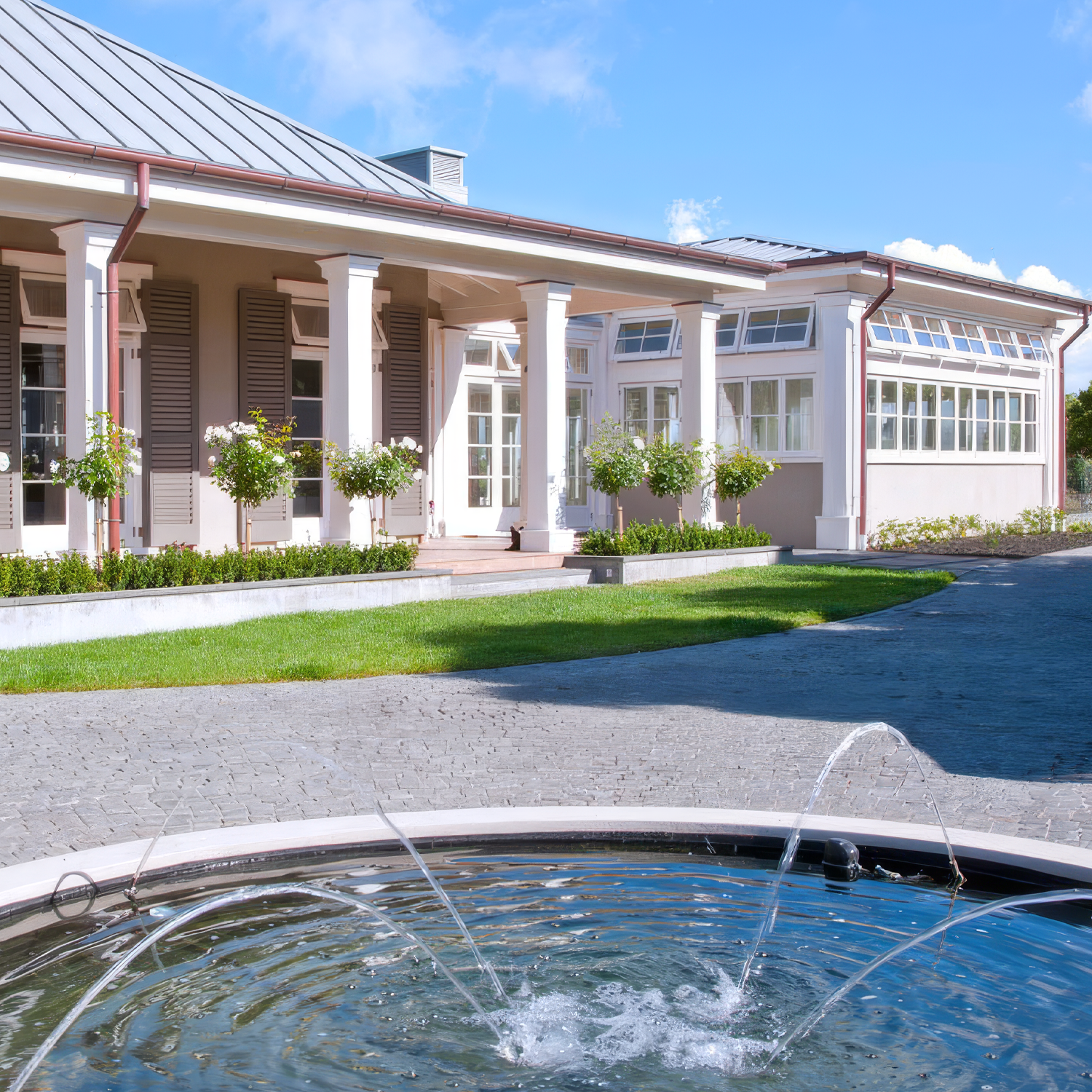
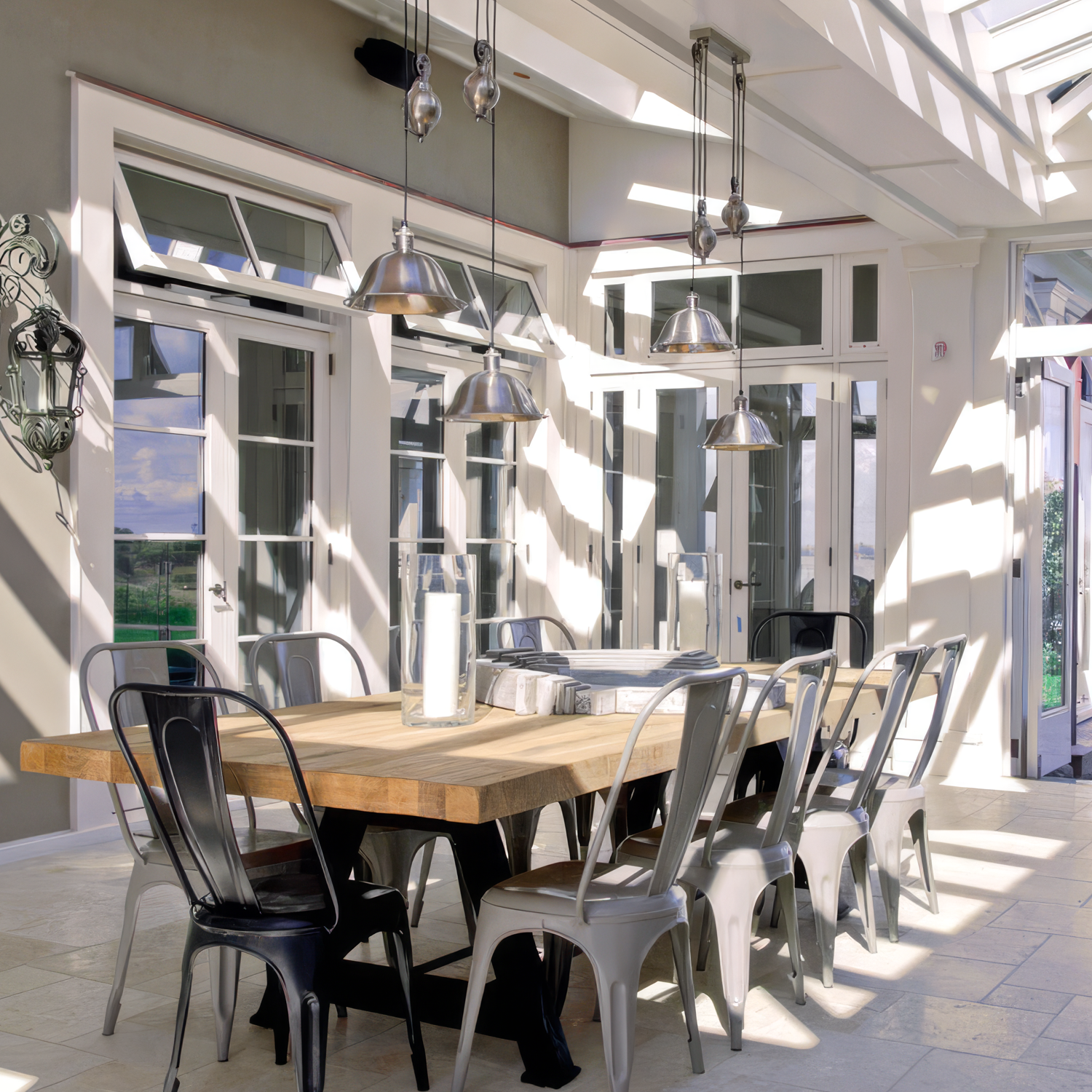
For timber exposed to sunlight, The Timber Profile Co. recommends a coating with an LRV of 40% or greater to help minimise heat build-up and resulting timber movement.
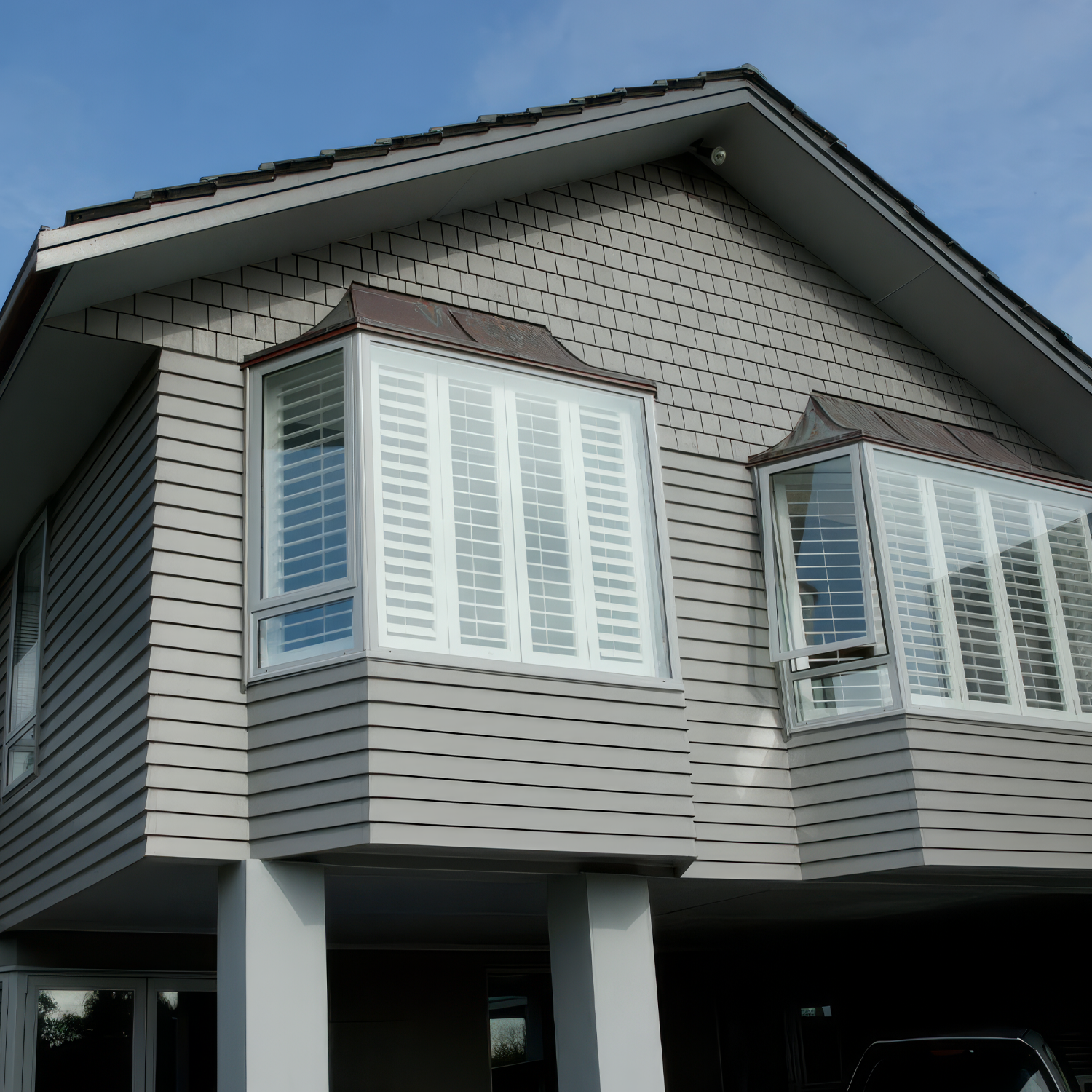
If you are considering a darker exterior colour, check the LRV before the coating is applied. Some paint manufacturers offer darker colours or coating systems designed to provide higher light reflectance than conventional dark finishes.
1) Ask the coating supplier for the LRV of the exact colour and coating system you intend to use.
2) Confirm the coating is suitable for the timber species and its intended exposure.
3) Follow the coating manufacturer’s preparation, application and maintenance requirements.
4) For colours below 40% LRV, consult your coating supplier before use.
Timber naturally exchanges moisture with its surroundings. Sealing helps reduce uneven moisture uptake and provides a more stable base for the selected finishing system.
All surfaces should be appropriately primed or sealed, not just the visible face. This includes edges, backs and end grain.
End grain is particularly important because the exposed timber fibres can absorb moisture readily.
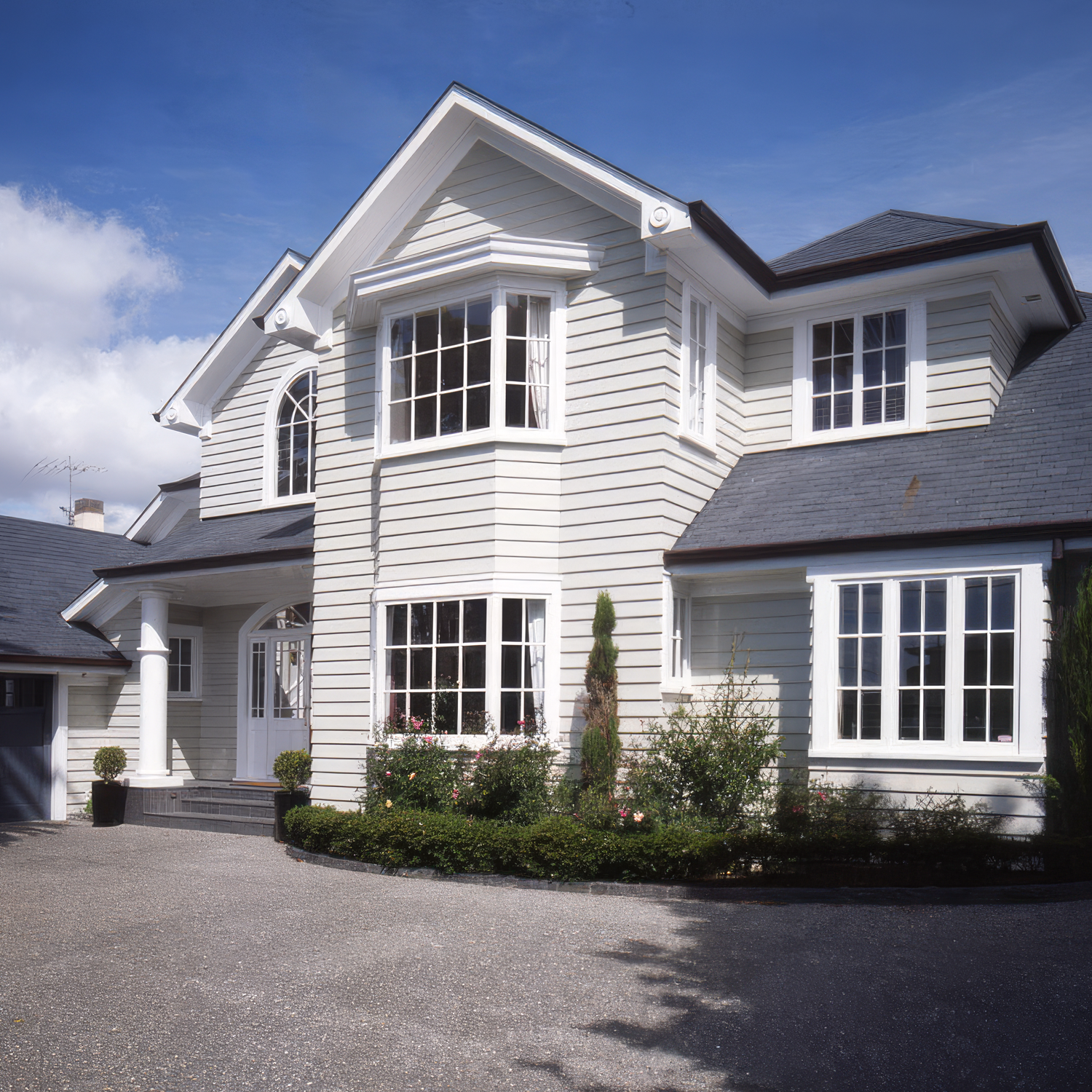
- Faces and backs
- Both edges
- End grain
- Any cut ends made during installation
- Any newly machined or exposed timber surfaces
If timber is cut, drilled or machined after initial sealing, the newly exposed timber should be resealed using the appropriate system before installation or exposure
Timber is a natural material and some movement in response to changes in moisture and temperature is normal.
Correct storage, thorough sealing and a suitable finishing system help manage this movement, but they do not remove the natural characteristics of timber.
Follow the coating manufacturer’s preparation, application and maintenance requirements. If the colour has an LRV below 40%, discuss the intended application with the coating supplier before proceeding.
Make sure the timber has been stored dry and correctly supported.
Check the timber is clean and suitably prepared for the chosen coating system.
Confirm the primer, sealer, paint or stain is compatible with the timber species and intended application.
Check the LRV where the finished timber will be exposed to sunlight. Follow the coating manufacturer’s instructions for preparation, coverage, drying and maintenance